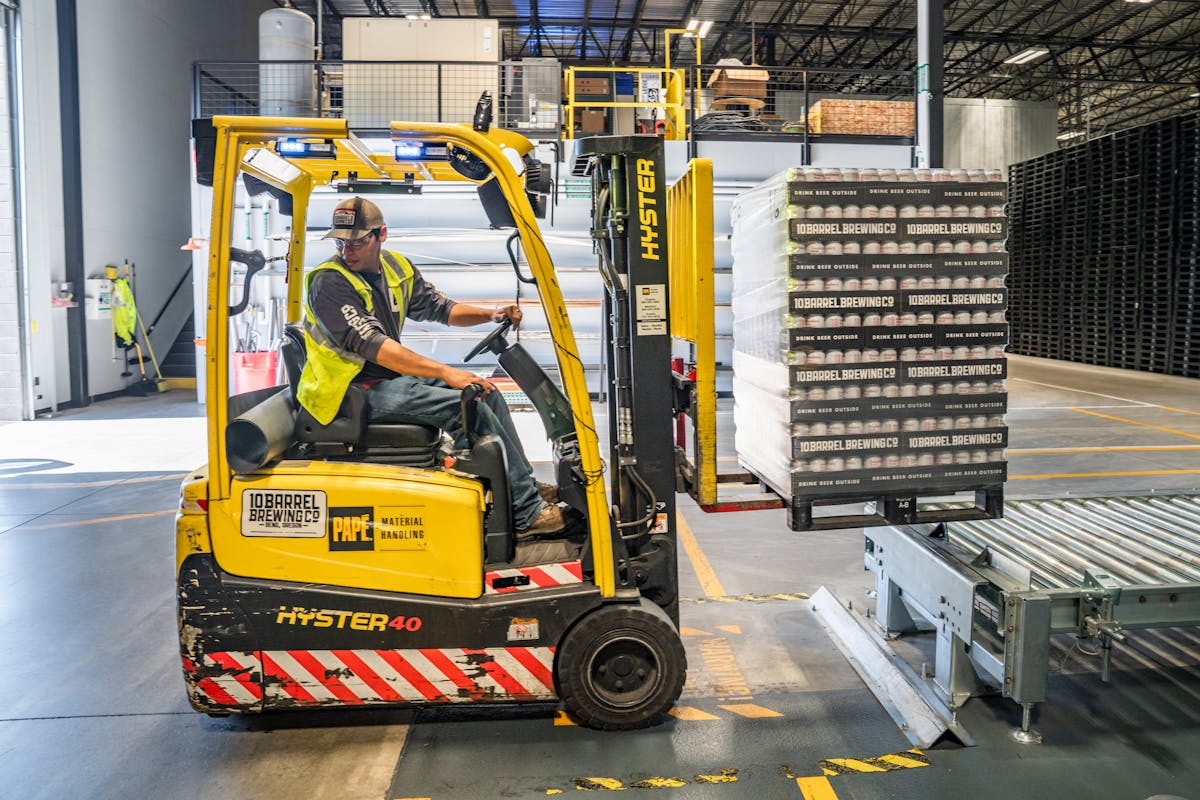
Pest Control for Warehouses
Warehouse pest control needs to follow the movement of consignments from receiving bays through quarantine, pallet racking and dispatch, not just the building perimeter. The goods stored, packaging condition and length of storage determine whether the priority is rodents, insects carried with stock or bird access at loading points. A useful assessment separates affected batches from structural entry routes and agrees how stock handling and evidence records will remain under the warehouse operator’s control.
Large-scale integrated pest management for warehouses, logistics centers, and storage facilities.
Key Challenges
- ⚠Rodents causing product damage and contamination
- ⚠Large area requiring comprehensive treatment
- ⚠Pallets and racking providing pest harborage
Our Solutions
- 01Rodent baiting and trapping programs
- 02Regular monitoring via station inspection
- 03Bird deterrent for loading docks
Compliance & Certifications
Compliance context
Businesses in this sector are typically expected to protect stored goods and keep a traceable record of inspections and corrective actions appropriate to their stock and customer requirements. Food-storage operations may have applicable FSSAI Schedule 4 duties, while pharmaceutical or other controlled stock can fall under different rules or contractual procedures. Not every warehouse needs the same certification or pest contract. The operator should define quarantine decisions, inspection access and record retention; pest observations, device maps and door repairs can support an audit trail but do not themselves certify goods as uncontaminated or suitable for dispatch.
Pest risks in warehouses
- Inbound pallets and cartons may carry insects or hide evidence of rodent damage. Inspect at a designated receiving point and retain consignment details, keeping suspicious goods apart under the stock-control procedure; a clean external pallet surface does not prove the enclosed product is unaffected.
- Dense pallet racking and stock pressed against walls can leave sheltered, inaccessible spaces. Keep planned inspection routes clear, note which rack bays could not be reached and arrange safe stock movement with the operator rather than climbing racking or shifting unstable loads to investigate activity.
- Loading shutters that stay open during dispatch can allow rodents or birds into the building. Record when doors are open and whether seals or screens are damaged; exclusion proposals must preserve goods movement, ventilation and emergency access rather than relying on a barrier placed across an active loading route.
- Broken sacks, leaking containers and mixed waste near packing benches provide food or shelter. Relate pest observations to the product and spill location, and coordinate cleanup with inventory decisions; putting damaged goods back into general storage may spread material or obscure the source of activity.
- Long-held grain, dry food or other susceptible stock can develop stored-product insect problems within a batch. Identify the insect and affected packaging before choosing an approach, since shelf-area treatment alone does not resolve stock already containing insects or establish whether that stock can be retained.
Operational considerations
- Plan work around receiving and dispatch peaks, with a warehouse supervisor controlling access to aisles and quarantined stock. Forklift routes, loading ramps and rack inspections require their own safety arrangements; avoid placing a device where it obstructs wheels, creates a trip hazard or can be struck by pallets.
- Mark monitoring locations against rack, bay or perimeter identifiers so repeat checks are comparable. Record inaccessible positions and any moved stations, and keep the device register aligned with the actual layout when stock configuration changes rather than carrying forward a map that no longer describes the site.
- Agree stock protection before the proposed method is used, including which goods need covering, removal or separation. Treatment should not be applied to merchandise or packaging merely because insects were nearby; the operator must review any product-use restrictions and decisions about affected consignments.
- Coordinate pest findings with repairs, stock rotation and waste removal, assigning each action to a named team. Separate a device observation from a batch-release decision, and ask how rechecks will establish whether an inbound-stock issue or an open structural route remains unresolved after the appointment.
Questions about pest control for warehouses
- Should incoming consignments be checked even with a pest programme?
- Yes, receiving checks serve a different purpose from perimeter monitoring. Look for damaged packaging, insect evidence or contamination signs at the agreed receiving area, and retain supplier, batch and bay details. Isolate suspect goods according to the operator’s procedure. A routine building visit cannot guarantee that every incoming pallet is free of pests or replace the warehouse team’s acceptance and quarantine decisions.
- How much space should be left for inspection around racking?
- Agree access with the operator using the rack arrangement, load stability, equipment movement and safe working requirements. There is no single aisle clearance that suits every warehouse. The important point is to make the relevant wall edges, device locations and affected bays reachable without unsafe climbing or moving stock informally. Record any uninspected areas and schedule controlled access if stock prevents a meaningful check.
- Does warehouse pest control include fumigating goods?
- Do not assume that it does. Commodity treatment or fumigation is different from ordinary building monitoring and needs its own assessment, suitability checks, controls and authorisation. Ask exactly what service is proposed, what stock it covers and what restrictions apply. A problem inside stored goods may require quarantine and specialist evaluation rather than adding more devices around the external walls.
- What should an audit trail contain for recurring stock damage?
- Link the observation date to the rack or bay, consignment identity where relevant, pest evidence and any stock isolated. Add device findings, door defects, cleanup and repairs with responsible teams and review dates. Keep the decision about retaining or dispatching goods separate from the pest visit record. This helps distinguish new damage from historical marks without claiming that paperwork alone confirms stock safety.
Relevant pest services
Match the assessment to the pest and facility area involved; confirm the proposed method, access precautions and service scope before booking.
Quote for Warehouses
Free inspection • No obligation
Ready to Make Your Home Pest-Free?
Book a free inspection today. Our herbal pest control experts will assess your property and provide a customized solution.
✓ Free Inspection✓ No Obligation Quote✓ Confirm Appointment Availability✓ Ask for Written Warranty Terms