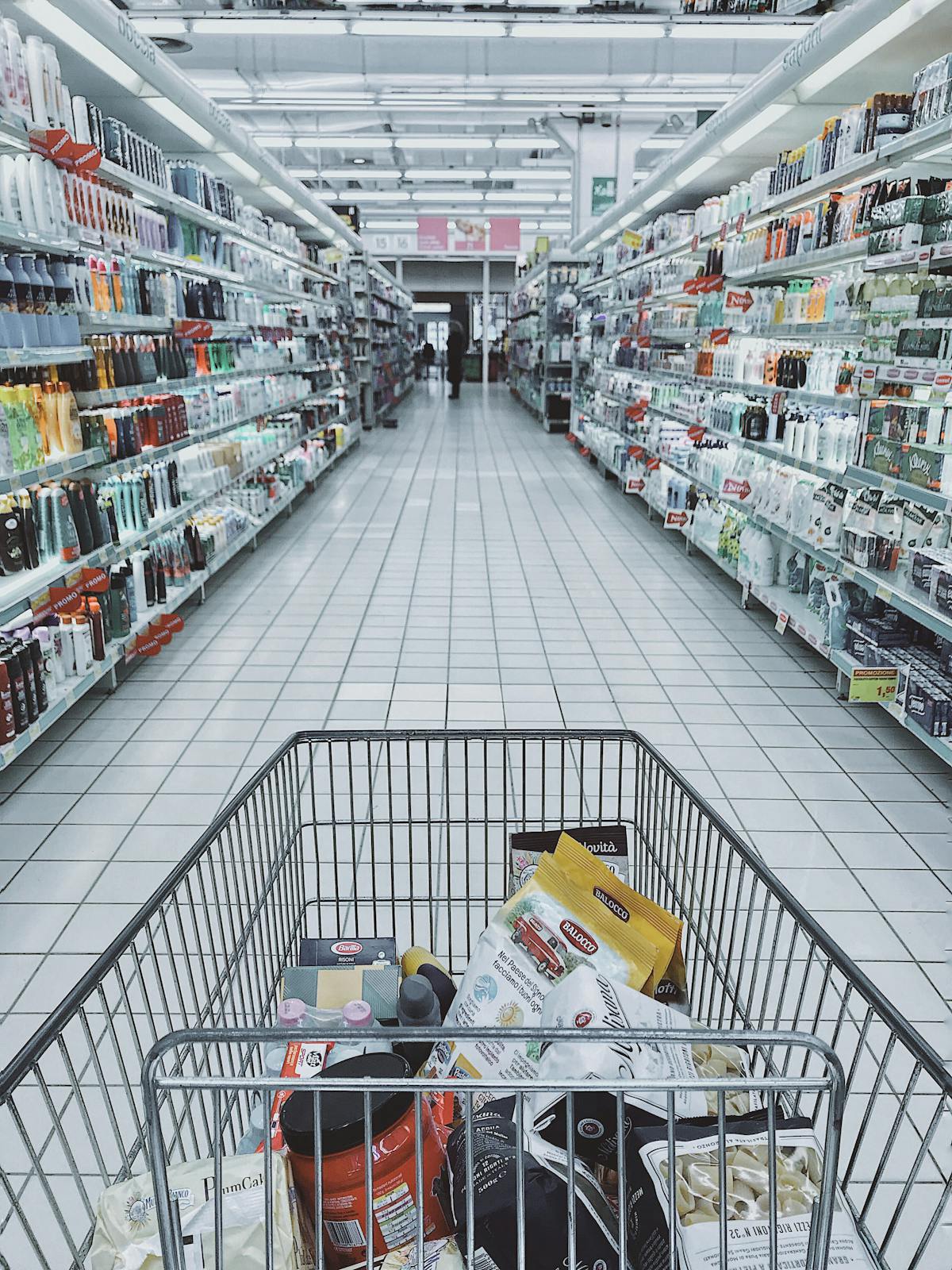
Pest Control for Retail Stores
Retail pest control needs to distinguish sales floors, food shelves, returns areas and backroom stock, especially where customers can reach merchandise and displays. Incoming cartons, damaged food packets and unattended spillages create different risks from exterior entry points or activity behind refrigeration. Planning should protect shelf stock and customer access while making clear which goods need isolation and who can approve work before the shop reopens.
Discreet pest management for retail stores, supermarkets, and shopping centers.
Key Challenges
- ⚠Customer-visible areas require discreet treatment
- ⚠Food section pest risk
- ⚠Rodents in stock rooms and backrooms
Our Solutions
- 01Night-time treatment after closing
- 02Discreet monitoring devices
- 03Separate food-safe protocols for grocery sections
Compliance & Certifications
Compliance context
Businesses in this sector are typically expected to maintain hygienic premises and protect merchandise under the requirements relevant to their products and licences. Retail food operations may have applicable FSSAI hygiene duties, while non-food stores face different stock, tenancy and local conditions; a municipal licence and food-hygiene records are not interchangeable. Shelf inspections, stock isolation and documented repairs can support management checks, but treatment does not certify affected goods as fit for sale. The operator should identify which rules apply and who reviews findings, customer-access restrictions and any decisions about damaged or suspect stock.
Pest risks in retail stores
- Food packets on shelves can harbour stored-product insects or show rodent damage that requires stock review. Check seams, crumbs and affected batch details, isolate suspect items under store procedures and avoid treating merchandise directly as a shortcut to making damaged goods saleable.
- Incoming cartons and returned products can introduce insects to the backroom before stock reaches displays. Use a defined inspection point, keep returns separate until reviewed and track where suspicious packaging was held; a receiving problem may otherwise appear later as unrelated activity on several aisles.
- Refrigerated displays and beverage counters can collect moisture and residues that support cockroaches or flies. Arrange safe access behind equipment with maintenance staff, record leaks or organic buildup and distinguish the insect before deciding whether cleaning, repair or a pest measure is appropriate.
- Frequently opened entrances and loading doors can allow rodents into sales or stock areas. Check seals and goods-movement patterns, making sure exclusion proposals do not block shopping access, emergency exits or ventilation; keeping a shutter closed after trading does not address gaps present throughout the day.
- Dense promotional stacks and seasonal displays can conceal debris and reduce inspection access. Include the floor beneath temporary stands in cleaning and check plans, noting stock movements when pest evidence appears so suspect items are not transferred to another aisle without review.
Operational considerations
- Agree a closure or low-occupancy window according to the proposed method and actual trading hours. Allow for preparation, any product-specific access restriction and a manager’s reopening check; supermarkets, mall units and convenience shops may have different delivery and overnight staffing arrangements.
- Protect or remove exposed food and vulnerable merchandise as directed, with the store controlling stock movement. Confirm where treatment material or devices can be positioned away from customer contact and sale items, and review any precautions around refrigerators, food counters and children’s display areas.
- Coordinate aisle access with replenishment, cleaning and delivery teams so pallets or promotional stock do not conceal monitoring points. Device positions should remain identifiable, and staff should know who reports damage or movement; customer-facing discretion must not obscure necessary access restrictions or stock isolation.
- Keep records tied to the aisle, backroom zone and relevant batch where appropriate. Separate pest observations from decisions about saleability, supplier returns and disposal, and assign door or refrigeration repairs to responsible staff so repeat sightings are assessed alongside the actions actually completed.
Questions about pest control for retail stores
- Can affected shelf stock be sold after the store is treated?
- Treatment of the building does not establish that goods are fit for sale. Isolate items with insect evidence, damaged packaging or possible contamination under store procedures, recording batch and supplier details. The responsible manager or food-safety team should decide disposition according to the product and applicable requirements. Do not spray packets or conceal packaging damage in order to return suspect merchandise to customer shelves.
- Does all retail pest work need an overnight appointment?
- No single time suits every shop. The window depends on customer access, preparation and the instructions for the proposed method, as well as cleaners and delivery staff who may still be present after closing. Agree how stock will be protected and who checks the area before reopening. Some inspection tasks can have a different schedule from work that requires an aisle or food counter to be restricted.
- What should staff check behind refrigerated displays?
- Report recurring insects, standing water, damaged seals and visible residues, then arrange safe access with the person responsible for the equipment. Do not move connected displays or open electrical housings informally. Cleaning and leak repairs may be needed alongside pest measures. Record whether the rear and base were actually inspected, since a clean display front says little about an inaccessible service space.
- How can a shop distinguish a delivery issue from a building entry route?
- Compare receiving records and where suspect cartons were first stored with sightings at doors, stockroom edges and displays. Identification and location-specific monitoring can help narrow the investigation. Inspect damaged packaging separately from door gaps or waste conditions, and keep returns apart while reviewed. Neither one insect on a shelf nor a quiet doorway alone establishes where all activity originated.
Relevant pest services
Match the assessment to the pest and facility area involved; confirm the proposed method, access precautions and service scope before booking.
Quote for Retail Stores
Free inspection • No obligation
Ready to Make Your Home Pest-Free?
Book a free inspection today. Our herbal pest control experts will assess your property and provide a customized solution.
✓ Free Inspection✓ No Obligation Quote✓ Confirm Appointment Availability✓ Ask for Written Warranty Terms