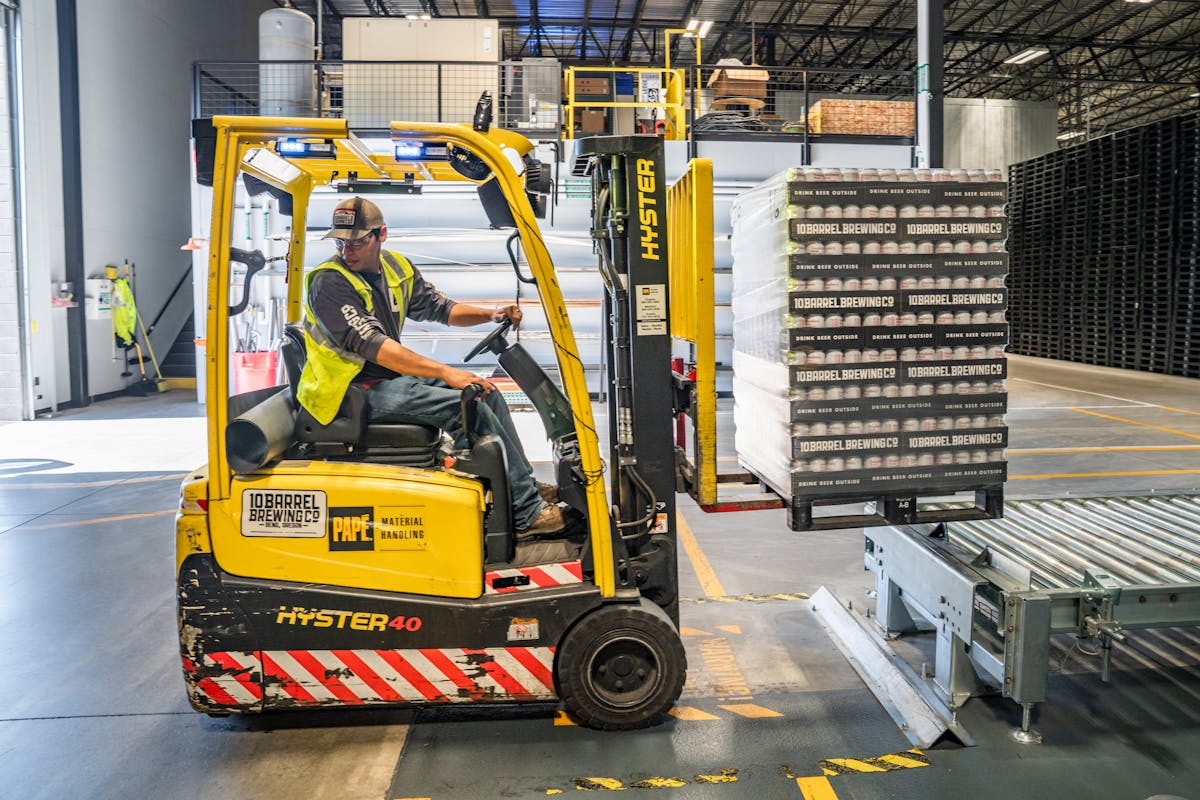
Pest Control for Factories
Factory pest control should match the production process, shift pattern and access restrictions around machinery, raw-material stores and staff facilities. A packaging plant, workshop and assembly unit do not have the same exposure, even when they occupy similar industrial buildings. Before work is planned, map the movement of materials and waste, identify sensitive equipment and agree who can isolate machinery or approve access to normally restricted production zones.
Industrial pest control for manufacturing units, production plants, and factories.
Key Challenges
- ⚠Production schedule constraints
- ⚠Chemical compatibility with manufacturing
- ⚠Machinery and equipment protection
Our Solutions
- 01Weekend and shutdown period treatment
- 02Non-corrosive herbal formulations
- 03Customized IPM program
Compliance & Certifications
Compliance context
Businesses in this sector are typically expected to coordinate pest-related maintenance with their workplace safety, hygiene and environmental procedures and the requirements applicable to their manufacturing activity. A food factory has different hygiene obligations from a general engineering plant, and customer audits or voluntary management-system standards add their own scope. Shutdown scheduling is an operational control, not proof of regulatory compliance. The site’s responsible personnel should approve methods, access and product compatibility, with records showing findings and corrective actions rather than implying that a pest appointment provides EHS approval or ISO certification.
Pest risks in factories
- Raw-material receiving and discarded packaging can introduce pests or provide shelter beside production routes. Check incoming containers and cardboard buildup with the stores team, retaining material identifiers when evidence appears; distinguish an affected consignment from activity entering through the surrounding building.
- Machine bases and inaccessible service spaces can accumulate debris or provide hiding places. Inspection needs safe equipment access and process knowledge, because opening guards or reaching beneath operating machinery to search for pests can create a much more immediate hazard than the sighting itself.
- Staff canteens, vending points and locker areas may support cockroaches or ants independently of the production process. Relate sightings to food handling and waste collection, and do not assume pesticide measures suitable for a break room are appropriate near manufacturing materials or unfinished products.
- External yards, scrap storage and loading entrances can offer rodent shelter or entry routes. Review vegetation, redundant items and door seals with facilities staff, but keep fire routes and utility access clear; removing cover without checking where animals can move may leave the underlying opening unaddressed.
- Pipe trenches, wet process areas and drainage defects can support insects where moisture or organic residues collect. Identify whether standing water, leaks or process spillages are involved, then assign repairs to the responsible team; a dry assembly area may require a different investigation from a washdown line.
Operational considerations
- Coordinate inspection and any treatment with shift supervisors and planned maintenance windows. Record which lines remain active and which areas need isolation, allowing for the proposed method and restart checks; a weekend visit cannot be assumed suitable if the plant operates continuous shifts or critical utilities stay live.
- Use the factory’s permit and equipment-isolation procedures where access requires them. Pest staff should not remove guards, enter confined spaces or manipulate control panels without authorised support; note restricted areas and arrange a separate access plan when safe inspection is not possible during the initial visit.
- Have quality or engineering staff review product compatibility with process materials, surfaces and equipment. Neither herbal nor non-spray wording guarantees suitability around sensors, lubricated machinery or exposed output; agree where material can be placed and what cleaning or protection is required before selecting the method.
- Bring monitoring and corrective actions into the existing maintenance handover. Assign door-seal repairs, waste removal and stock changes to responsible teams, recording shutdown-dependent actions separately so repeated pest evidence is not misread as proof that all previously recommended work was completed.
Questions about pest control for factories
- Can pest work be fitted around production shifts?
- It can be planned around the plant’s actual access and operating constraints, but the proposed window must allow preparation, any isolation and method-specific restart checks. Share the shift roster, active processes and shutdown limitations during assessment. Confirm what can be done without stopping production and what requires a later controlled window; do not assume that all pest measures are compatible with a running line.
- Who approves access behind machinery?
- The factory’s designated engineering or maintenance authority should decide how guards, services and equipment will be isolated or accessed. A pest assessor can identify the inspection need but should not bypass the plant’s safety controls. Record locations that were not accessible and agree follow-up access. This avoids describing a concealed machine base as checked when the line remained operating throughout the appointment.
- What should a factory disclose about sensitive materials?
- Explain exposed raw materials, unfinished products, process chemicals, temperature-sensitive equipment and surfaces that cannot contact treatment material. Provide the relevant site restrictions to the responsible assessor and have quality or engineering review the proposal. Product instructions and compatibility matter more than a general treatment label. The plan should distinguish welfare rooms from production zones, rather than applying one method throughout the plant.
- How can recurring activity near a loading entrance be investigated?
- Track sightings by door, time and material movement, then compare them with waste storage, open-shutter periods and seal damage. Check whether adjacent yards or service trenches were accessible and whether repairs were completed. Ask for evidence-based monitoring at appropriate locations, not devices across forklift paths. The goal is to identify the entry or shelter condition while preserving the factory’s safe logistics flow.
Relevant pest services
Match the assessment to the pest and facility area involved; confirm the proposed method, access precautions and service scope before booking.
Quote for Factories
Free inspection • No obligation
Ready to Make Your Home Pest-Free?
Book a free inspection today. Our herbal pest control experts will assess your property and provide a customized solution.
✓ Free Inspection✓ No Obligation Quote✓ Confirm Appointment Availability✓ Ask for Written Warranty Terms